
The Future: Zero-Trust Enterprise + Cognitive Systems
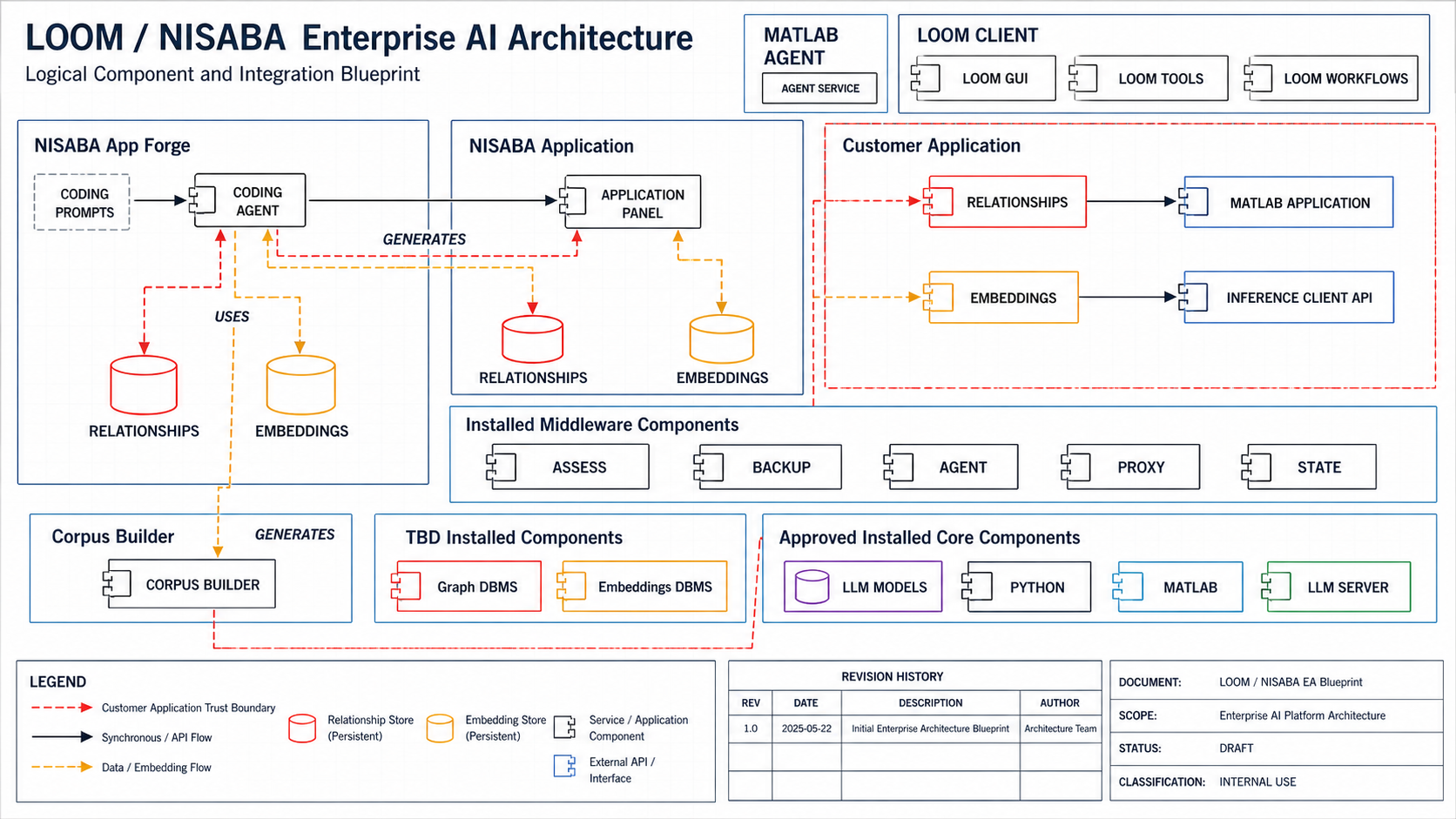
The Future: Zero-Trust Enterprise + Cognitive Systems
A zero-trust cognitive enterprise refers to an organization that implements a zero-trust security model while leveraging cognitive technologies to enhance its security posture and operational efficiency.
Zero Trust Principles
The zero-trust model operates on the principle of "never trust, always verify." This means that no user or device is trusted by default, regardless of whether they are inside or outside the network perimeter. Every access request must be authenticated and authorized based on various data points, such as user identity, device health, and behavioral analytics. This also applies to the supply chain. Rigorous verification processes for all components, software, and services acquired from third-party vendors must be implemented. This includes conducting thorough security assessments, requiring vendors to adhere to strict security standards, and implementing continuous monitoring of supply chain elements
Cognitive Technologies in Zero Trust
In a cognitive enterprise, artificial intelligence (AI) and machine learning (ML) are integrated into the zero-trust framework to automate and enhance security, inference, and generative processes. These technologies can analyze vast amounts of data to identify patterns, detect anomalies, and respond to potential threats more effectively than traditional methods.
The Benefits of Zero-Trust and Cognitive
By adopting a zero-trust cognitive enterprise approach, organizations can better secure their digital assets in an increasingly complex and distributed IT landscape. This model is particularly relevant in the context of distributed infrastructure, cloud computing, and the proliferation of connected systems, where traditional perimeter-based security models fall short.
Enhanced Security: The combination of zero-trust principles and cognitive technologies provides a more resilient security posture against cyber threats, including data breaches and insider attacks
Operational Efficiency: Automation of security processes reduces manual intervention, allowing security teams to focus on more strategic tasks.
Data-Driven Decision Making: Cognitive technologies enable organizations to make informed decisions based on real-time data analysis, improving incident response times and overall security management
Compliant: Right Out of the Box
Unlock your organization's full potential within the defense industrial base by transforming regulatory hurdles into a strategic competitive advantage. We provide an accelerated pathway to total compliance—starting with the essential foundations of DFARS 252.204-7012, 7019, and 7020, and the rigorous technical controls of NIST SP 800-171. By integrating ITAR and EAR export controls into your operational DNA, you don't just protect your data—you open the door to high-value government contracts. Once your unclassified foundation is bulletproof, we take the next step and national security, preparing your enterprise for compliance with NISPOM (32 CFR Part 117) and classified operations. Don't just meet the standard—surpass it, and position your company to support sensitive and important missions in the DoD portfolio.
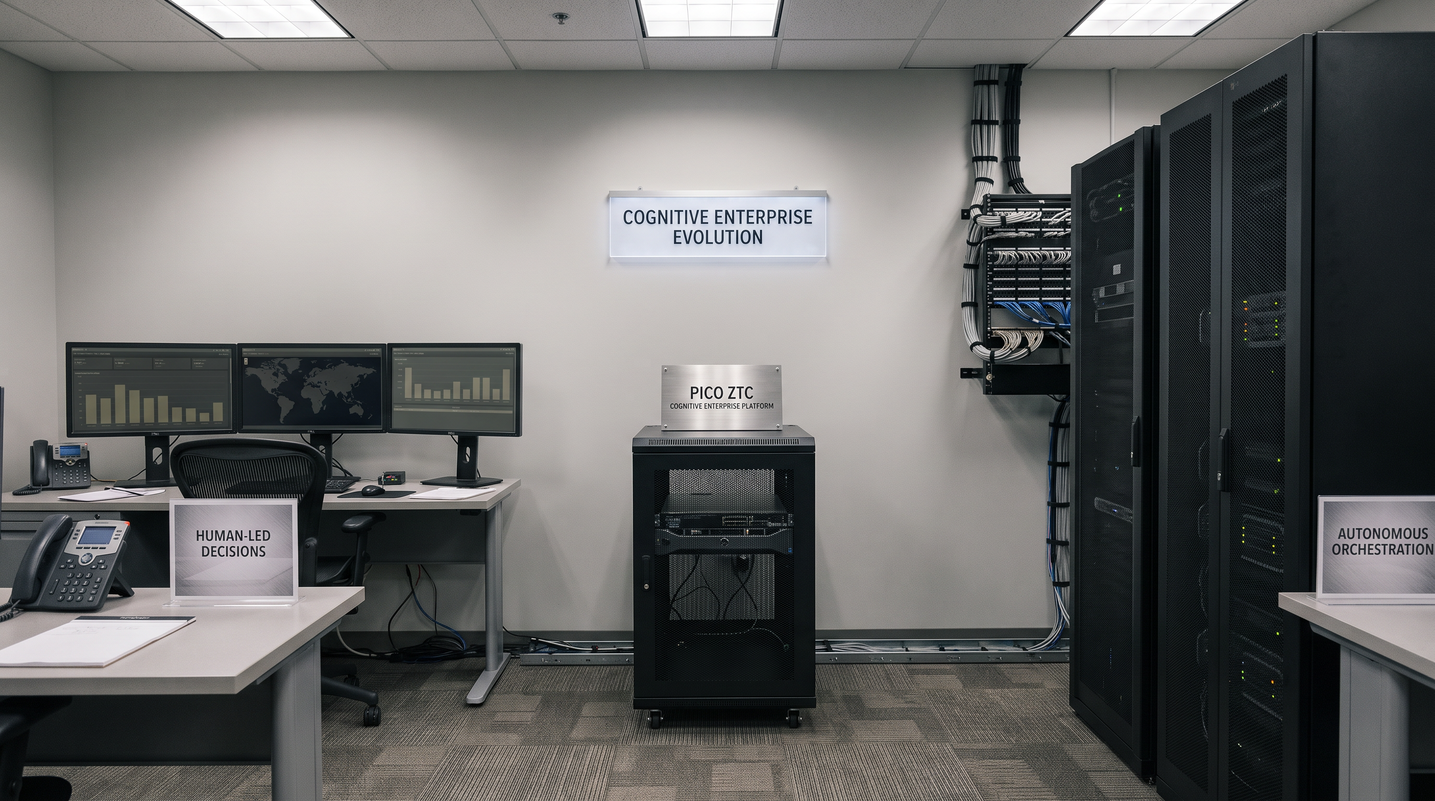
In the context of a cognitive enterprise, the integration of super-intelligent software marks a fundamental transition from data augmentation to autonomous orchestration. While traditional AI assists human decision-makers by surfacing insights, super-intelligence enables an organization to function as a self-evolving entity capable of anticipating systemic shifts and optimizing complex operational workflows in real-time with minimal oversight. This evolution transforms the enterprise's "digital brain" into a proactive strategist, shifting the role of human leadership away from tactical management and toward high-level ethical governance and the definition of overarching strategic intent.
Request a Consultation
Submit the form below to initiate a discovery dialogue and explore how we can implement tailored solutions that accelerate your objectives toward air-gapped LLM and CMMC, ISO 27001, ISO 42001 and SOC 2 certification.