

Zero-Trust Cognitive Frameworks for Edge Intelligence
Modern sensors and systems are transitioning from legacy security models toward a zero-trust cognitive framework to survive today's sophisticated threat landscape. This approach shifts the focus from defending a network perimeter to securing every individual data transaction at the edge. By ensuring that all inputs are authenticated before they ever reach the system's cognitive core, the enterprise can leverage autonomous inference and real-time adaptation with total confidence in the underlying data. This convergence of zero trust and cognitive intelligence transforms sensors from passive data collectors into active, intelligent agents capable of making secure, high-stakes decisions in milliseconds.
To ensure these capabilities remain relevant over time, this framework is hosted on a modular open architecture (MOA). Rather than relying on a static design that becomes obsolete as threats evolve, an MOA approach treats system components as interchangeable modules. This allows for the agile integration of emerging technologies—such as updated large language models, classifiers or advanced sensor hardware—without the risk of vendor lock-in or the need for total system redesigns. By combining this structural flexibility with a zero-trust security posture, organizations create a future-proof ecosystem that is both inherently secure and infinitely scalable across diverse mission sets.
Explore our Reference Designs
Space Surveillance Infrastructure Use Case

A cyber attack on space surveillance infrastructure can lead to reduced Space Situational Awareness, enabling adversaries to spoof data or disabled sensors to hide enemy satellite maneuvers. A Zero-Trust Cognitive Enterprise secures these assets by implementing strict identity verification for all telemetry streams and using AI to detect anomalies in orbital data and enterprise inputs.
Air Defense Infrastructure Use Case
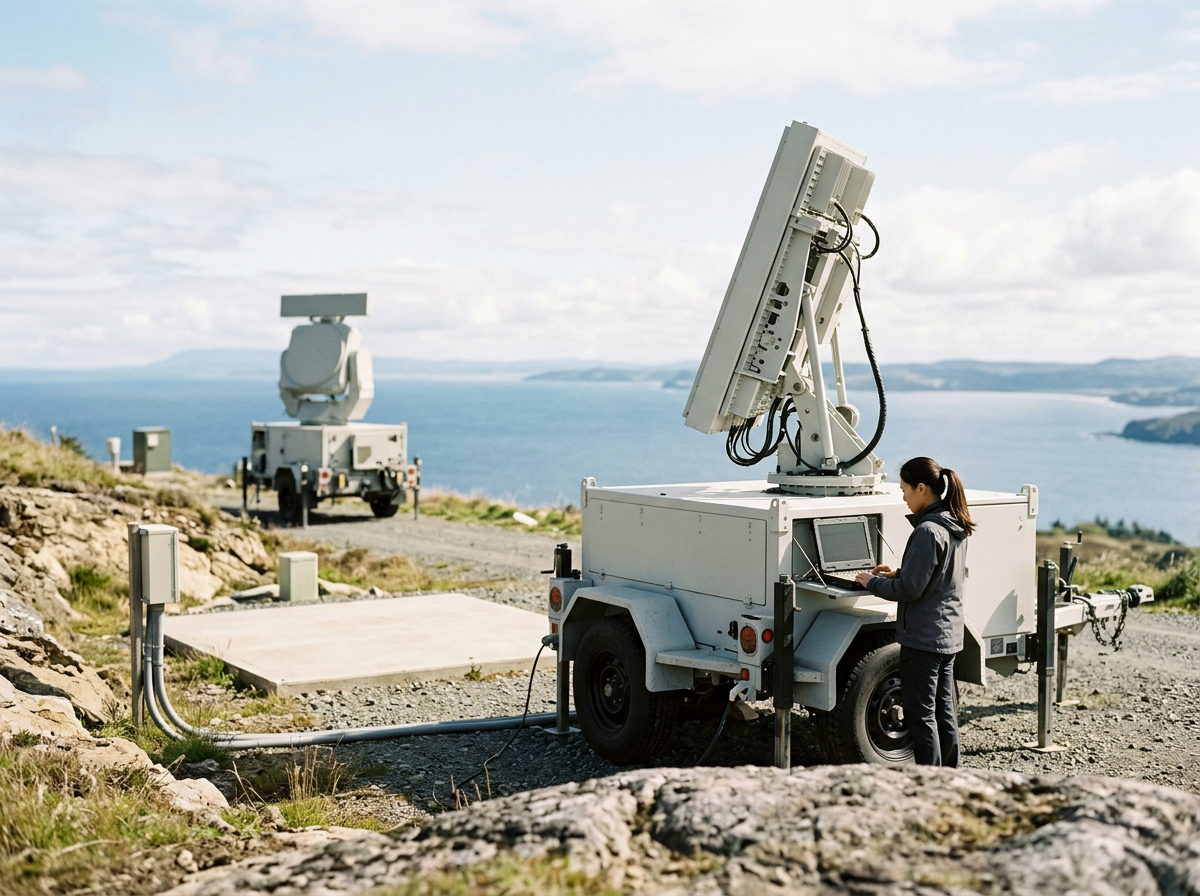
Compromised air defense systems can leave defended airspace vulnerable to incursions. Attackers target command-and-control links to delay or deceive tactical systems and the operators that rely on them. A Zero-Trust Cognitive Enterprise mitigates risk this by treating every system request as a potential threat and enforcing micro-segmentation between nodes.
Autonomous Ground Systems Infrastructure
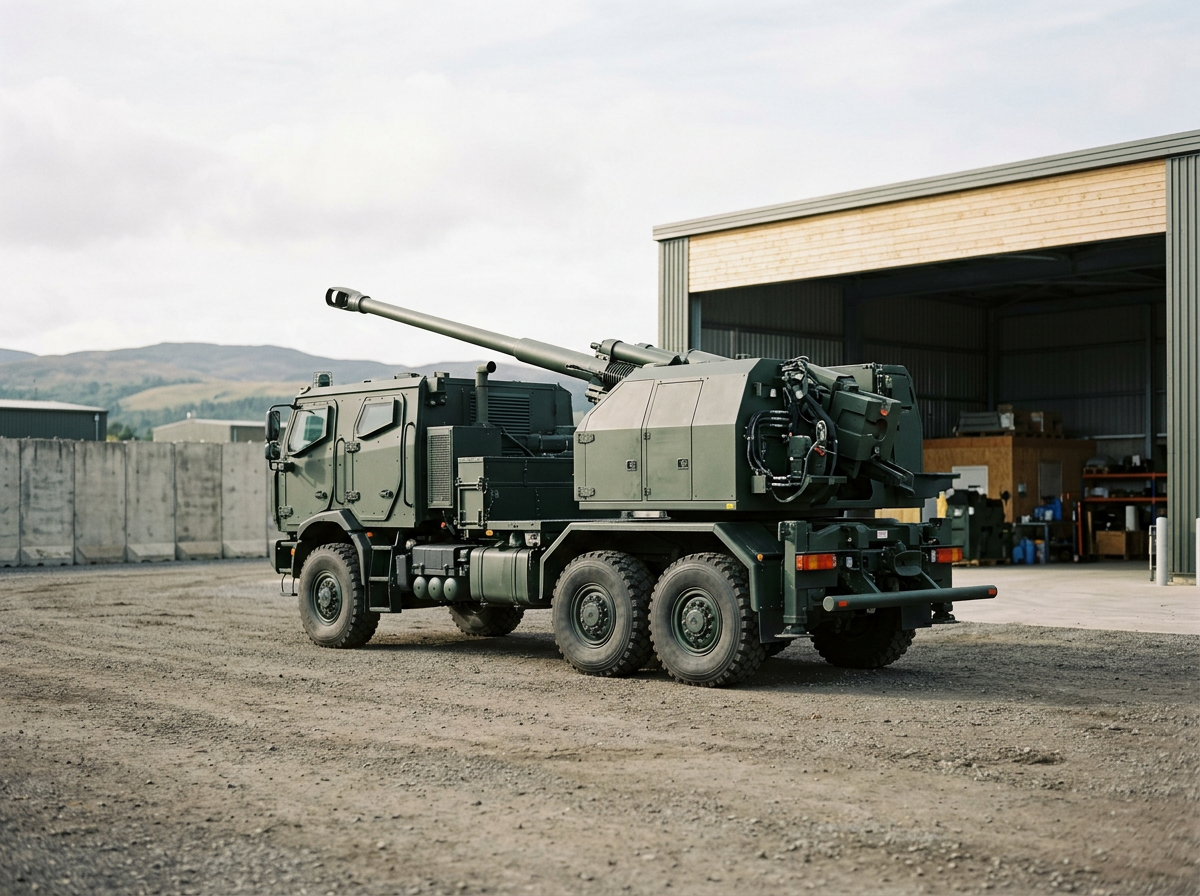
Breaches into ground systems that target logistics networks or field communications can result in lateral movement across the entire theater's communication grid. Zero-Trust Cognitive Enterprise addresses this by implementing granular access controls at the edge and automating threat containment.
Integrating AI-enabled edge systems, zero-trust cognitive architectures, and digital twins increases the operational reliability and security of military systems. AI at the edge allows sensors and autonomous platforms to process data locally, reducing latency and the reliance on vulnerable long-haul communications. To secure this distributed footprint, a zero-trust cognitive framework eliminates implicit trust, using continuous authentication and behavioral monitoring to ensure that if an edge device is captured or compromised, the threat is isolated before it can move laterally into the command network. Digital twins then leverage these secured data streams to maintain high-fidelity virtual replicas of physical assets and theater environments. These models enable commanders to run real-time simulations, predict hardware failures, and test tactical adjustments based on actual field telemetry rather than static assumptions. By combining these three elements, military organizations ensure that the data fueling their strategic models is verified and that their decentralized hardware remains resilient against intrusion.
Autonomous Naval Systems Infrastructure

Cyber attacks on autonomous naval assets can result in the interception of sensitive intelligence transmitted via satellite links. Zero-Trust Cognitive Enterprise secures these assets by requiring continuous authentication for every remote command and utilizing behavioral monitoring.