


Protect Critical Infrastructure
A cognitive zero-trust system detects subtle anomalies in network traffic that often precede sophisticated state-sponsored attacks, enabling automated threat containment within milliseconds. This capability shifts the security posture from reactive recovery to proactive mitigation, significantly reducing the window of exposure during an intrusion. By automating the isolation of compromised segments, the architecture prevents lateral movement toward high-value assets without requiring a total system shutdown. This is particularly critical for converged IT and OT environments, where a digital breach can rapidly transition into physical operational failure. Furthermore, integrating these automated controls ensures that security protocols do not compromise system availability or performance. This approach provides the granular visibility and adaptive resilience necessary to safeguard mission-critical systems, ensuring that essential services remain operational even under sustained cyber assault.
Explore our Reference Designs
Water Systems Infrastructure Use Case
Cyber attacks on water infrastructure can manipulate chemical levels or cause outages by pivoting from IT to OT systems. A Zero-Trust Cognitive Enterprise prevents this through micro-segmentation and AI-driven detection of unauthorized parameter changes.
Electrical Grid Infrastructure Use Case
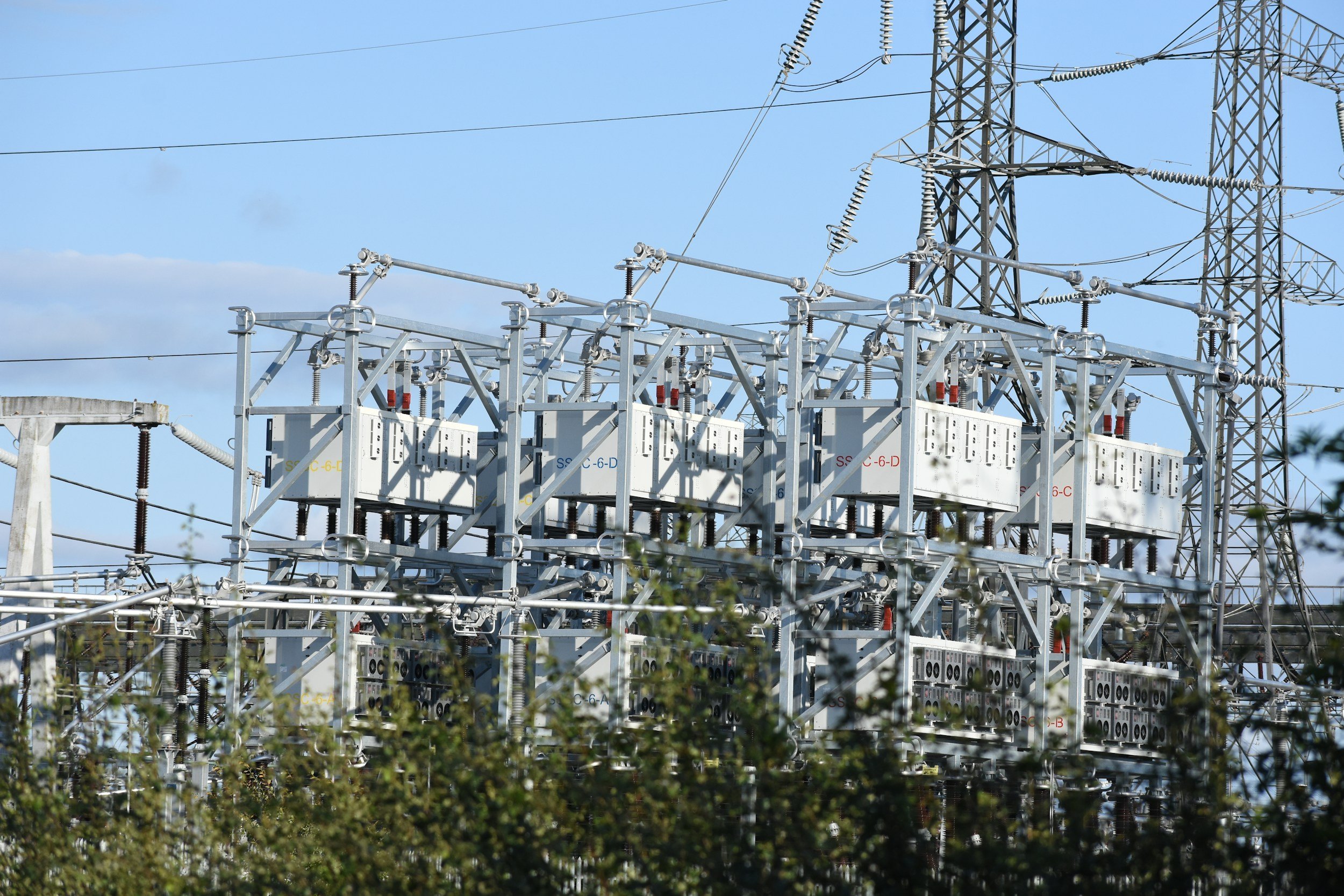
Attacks on the power grid can cause widespread blackouts by sending fraudulent commands to electrical substations. A Zero-Trust Cognitive Enterprise mitigates this risk by verifying every command and using cognitive analysis to isolate affected segments before failures cascade.
Communications Infrastructure Use Case
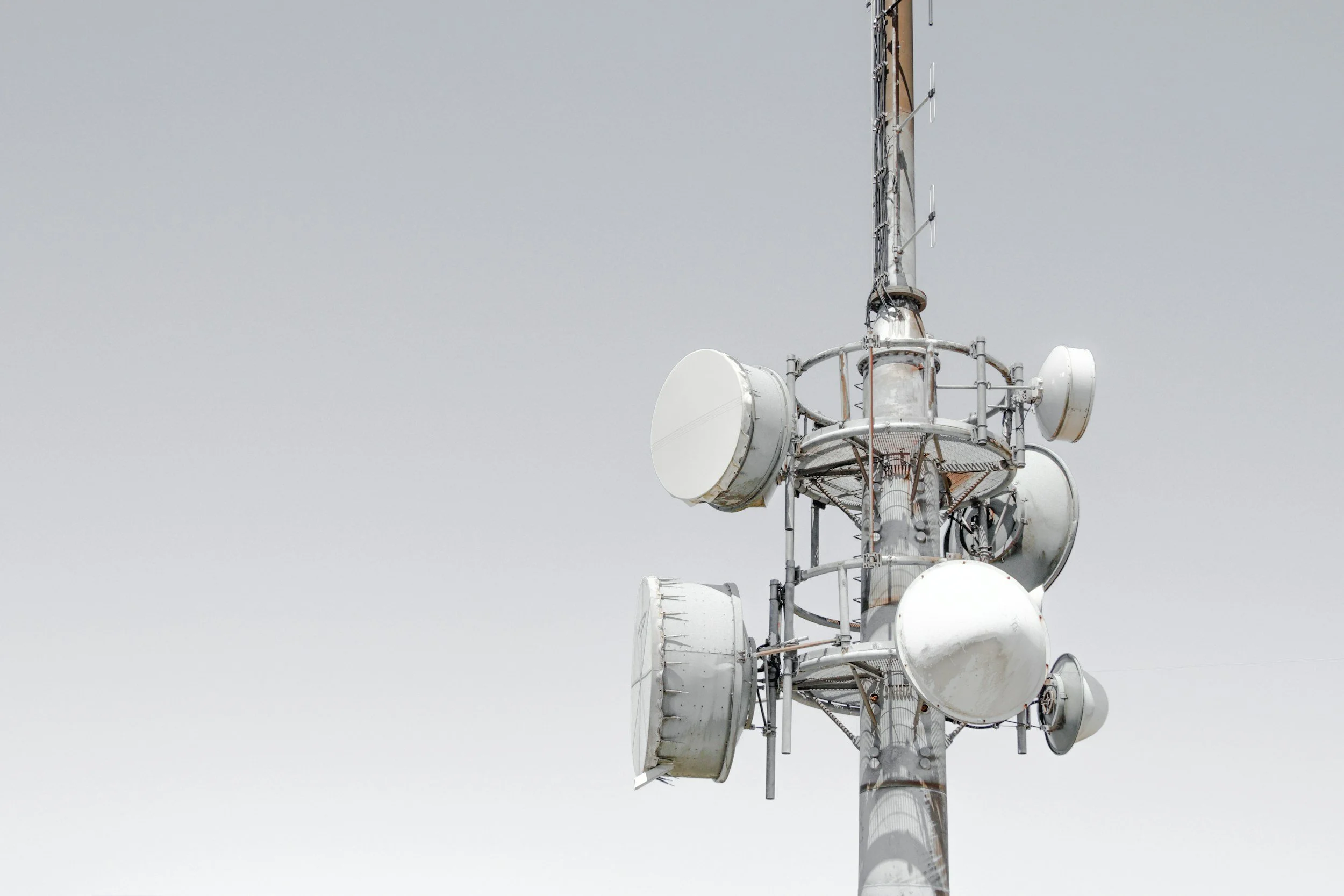
Compromised communications disrupt emergency response and government coordination. By implementing continuous authentication and automated containment, a Zero-Trust Cognitive Enterprise ensures vital channels remain secure and available.
Implementing a zero-trust cognitive enterprise framework within critical infrastructure represents a fundamental shift from reactive perimeter defense to a proactive, enterprise immune system. Operational Technology (OT) and Information Technology (IT) have expanded the attack surface for power grids, water treatment facilities, and transportation networks, the traditional "castle-and-moat" security model is no longer viable because once a breach occurs, lateral movement is often trivial. By adopting a zero-trust architecture, these vital systems eliminate trust, enforcing strict identity verification and micro-segmentation that effectively compartmentalizes the environment, which neutralizes the "blast radius" of any single point of compromise. When this security posture is infused with cognitive capabilities—leveraging AI and machine learning for real-time telemetry analysis—the enterprise evolves from a static set of rules into an intelligent, self-healing entity.
Transportation Infrastructure Use Case

Cyber attacks on transportation systems can paralyze city logistics through compromised IoT sensors or vendor access points. Zero-Trust Cognitive Enterprise secures these endpoints with granular controls and behavioral monitoring to prevent physical accidents and systemic gridlock.