
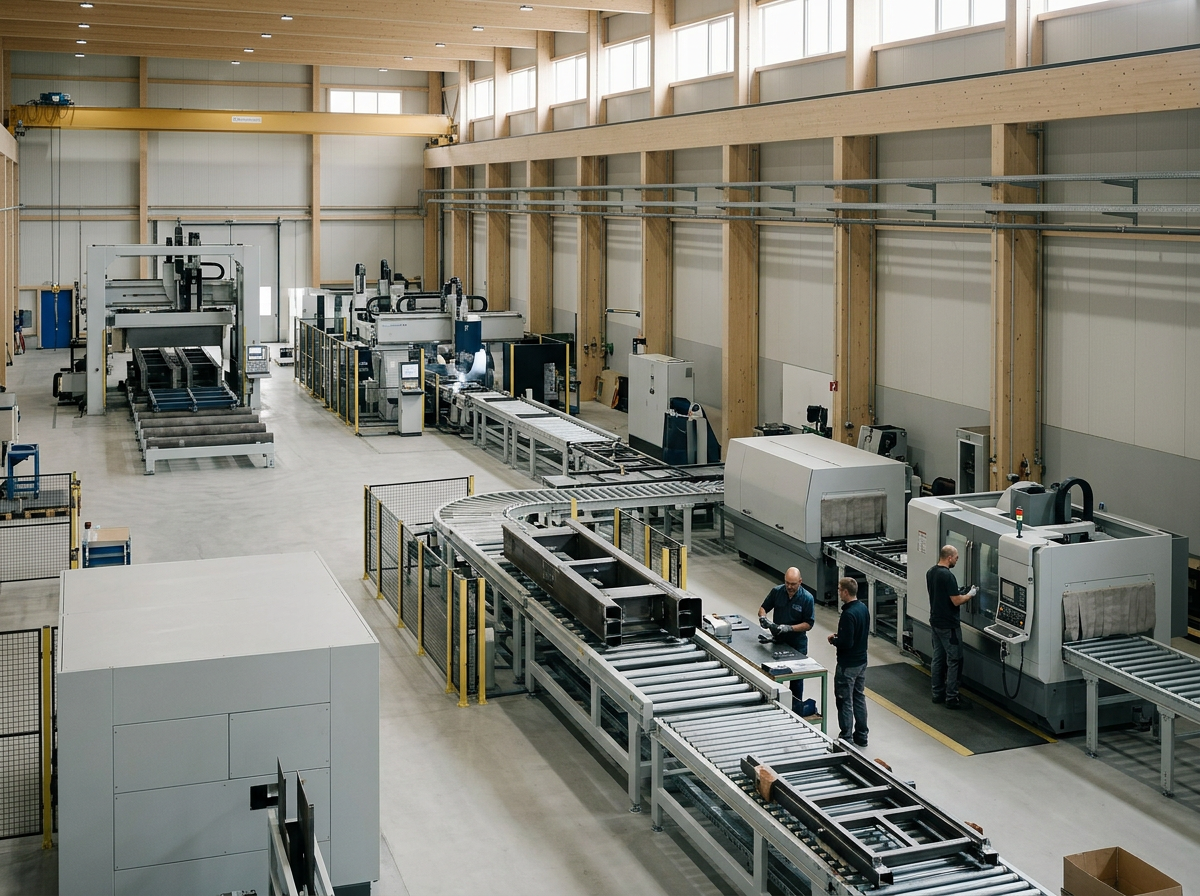
Leverage Zero-Trust and AI to Protect the Future of Autonomous Production
A cognitive zero-trust architecture safeguards the industrial base by detecting subtle anomalies in network traffic that often precede sophisticated state-sponsored attacks. by enabling automated threat containment within milliseconds. This capability shifts the security posture from reactive recovery to proactive mitigation, drastically narrowing the window of exposure for production environments. By automating the isolation of compromised segments, the system prevents lateral movement from IT networks toward high-value OT assets—such as PLC and SCADA systems—without requiring a total plant shutdown. In converged IT/OT environments, where digital breaches can trigger catastrophic physical failures, this integration is vital. These automated controls ensure that security protocols do not introduce latency or compromise the real-time performance of manufacturing lines. This approach provides the granular visibility and adaptive resilience necessary to protect mission-critical industrial systems, ensuring production remains operational even under sustained cyber assault."
Explore our Reference Designs
Pharmaceutical Manufacturing Use Case
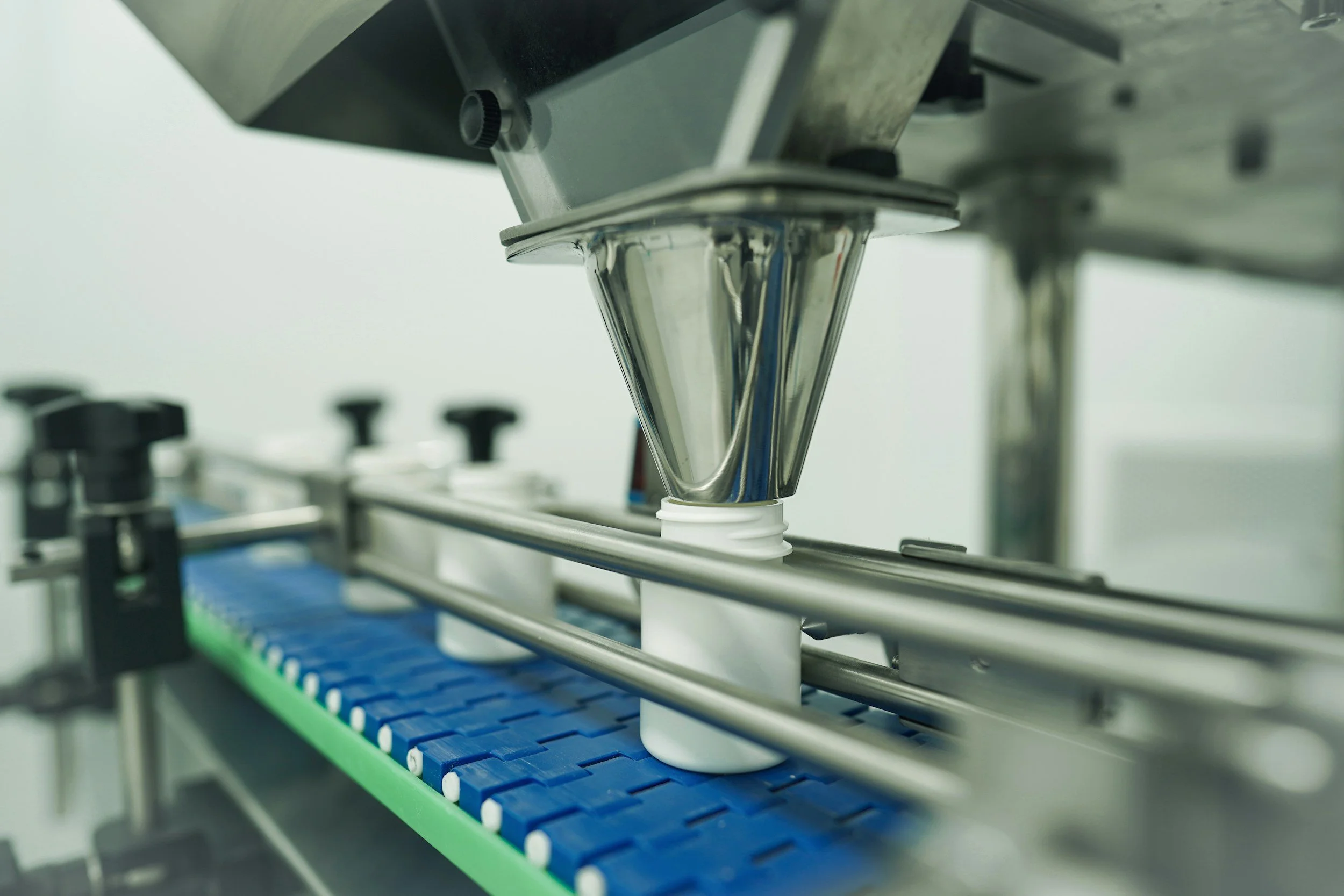
In the pharmaceutical industry, a digital breach can lead to catastrophic batch spoilage or regulatory non-compliance if attackers pivot from IT networks to OT controls. A Zero-Trust Cognitive Enterprise mitigates this risk by isolating critical assets via micro-segmentation and leveraging AI to identify and block unauthorized parameter changes in real-time.
Automotive Manufacturing Use Case
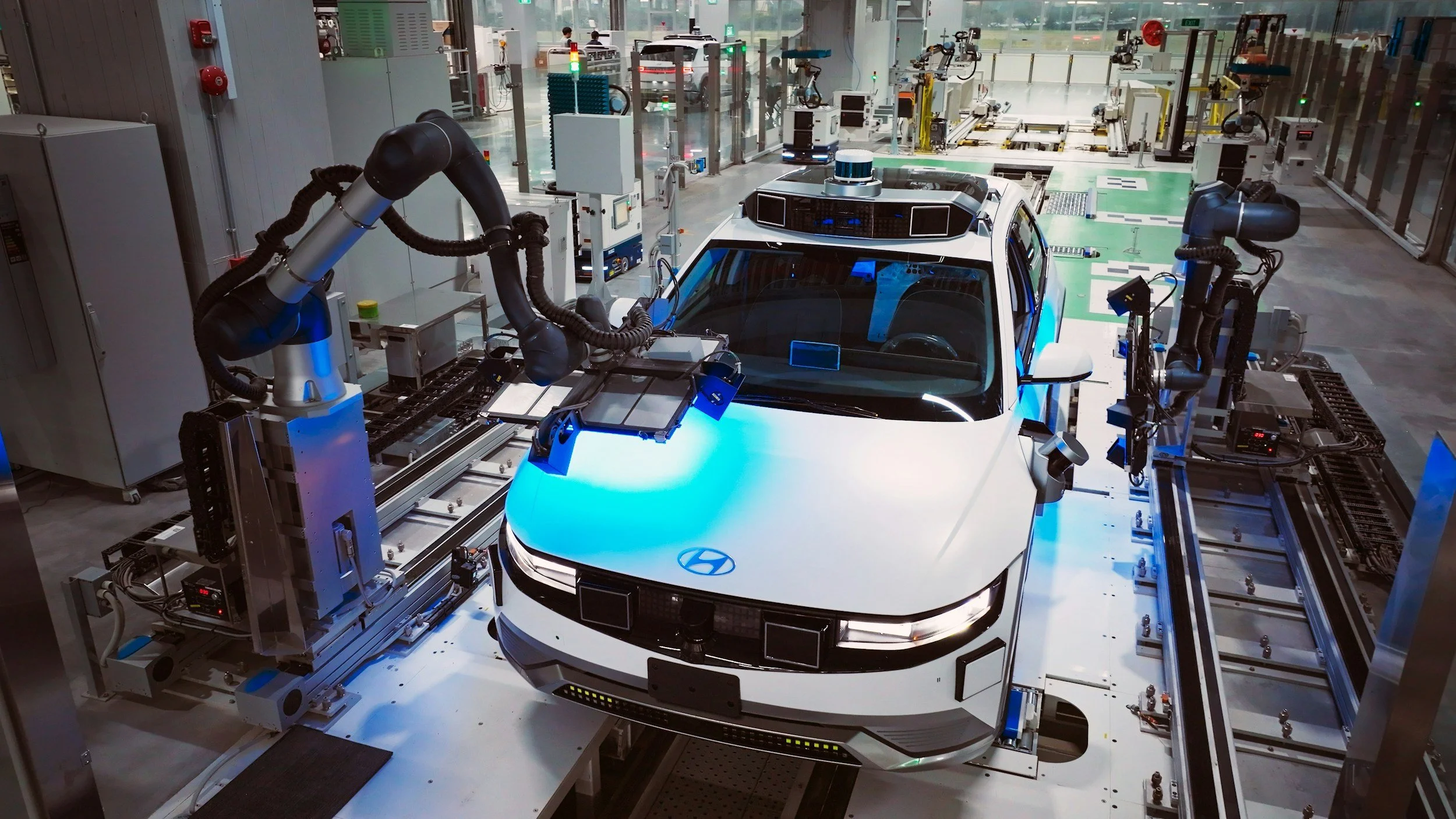
Cyber attacks on automotive manufacturing can threaten vehicle safety. Threat actors can disrupt assembly line synchronization by pivoting from IT to OT systems. A Zero-Trust Cognitive Enterprise prevents this through the micro-segmentation of production cells and AI-driven detection of anomalous command patterns that deviate from established operational baselines.
Aerospace/Defense Manufacturing Use Case
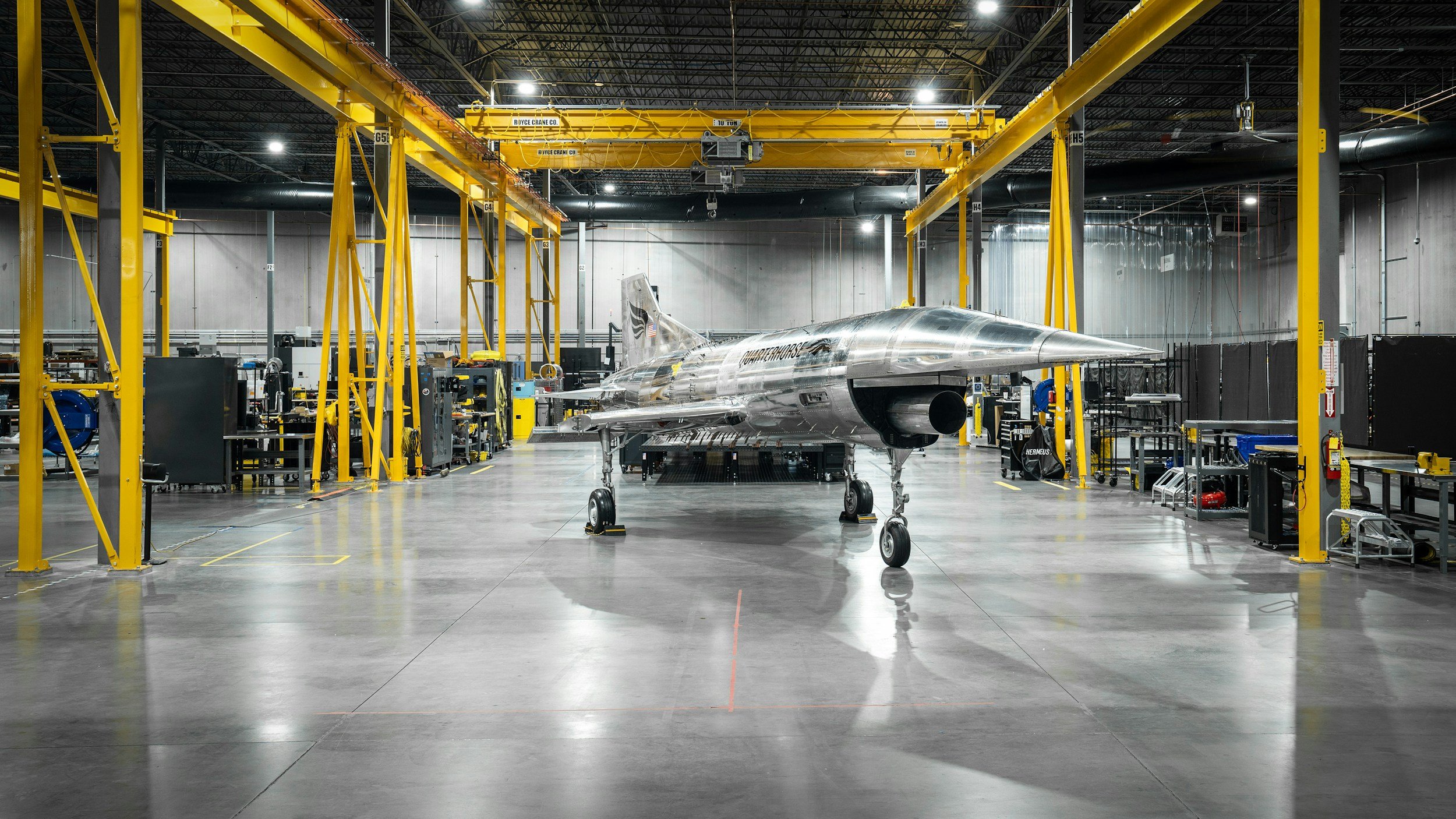
Cyber attacks on aerospace and defense manufacturing can compromise the integrity of mission-critical components and facilitate the theft of valuable intellectual property. A Zero-Trust Cognitive Enterprise prevents this through the micro-segmentation of secure production zones and AI-driven detection of unauthorized behaviors.
IEC 62443 is the primary reference standard that we use to build out or modify industrial infrastructure. It is the most comprehensive series of standards specifically designed for Industrial Automation and Control Systems (IACS). This is a multi-part standard that covers: General (62443-1), Policies & Procedures (62443-2), .System Requirements (62443-3): This is where Zero-Trust concepts live, specifically defining "Zones" and "Conduits" (the precursor to micro-segmentation). Component Requirements (62443-4): Security requirements for the actual hardware/software devices (PLCs, sensors).
Additionally, the following standards are adopted for industrial infrastructure related to US government or critical infrastructure. NIST SP 800-82 (Guide to ICS Security),vNIST Cybersecurity Framework (CSF), NIST SP 800-207 (Zero Trust Architecture): While not "industrial" specific, this is the foundational document for any Zero-Trust implementation.
Oil/Gas Operations Use Case

In the oil and gas sector, a digital breach can escalate into a catastrophic physical event if attackers pivot from IT networks to OT controls. A Zero-Trust Cognitive Enterprise mitigates this risk by isolating high-hazard assets via micro-segmentation and leveraging AI to identify and block unauthorized overrides of safety parameters in real-time, preventing potential disasters before they manifest.